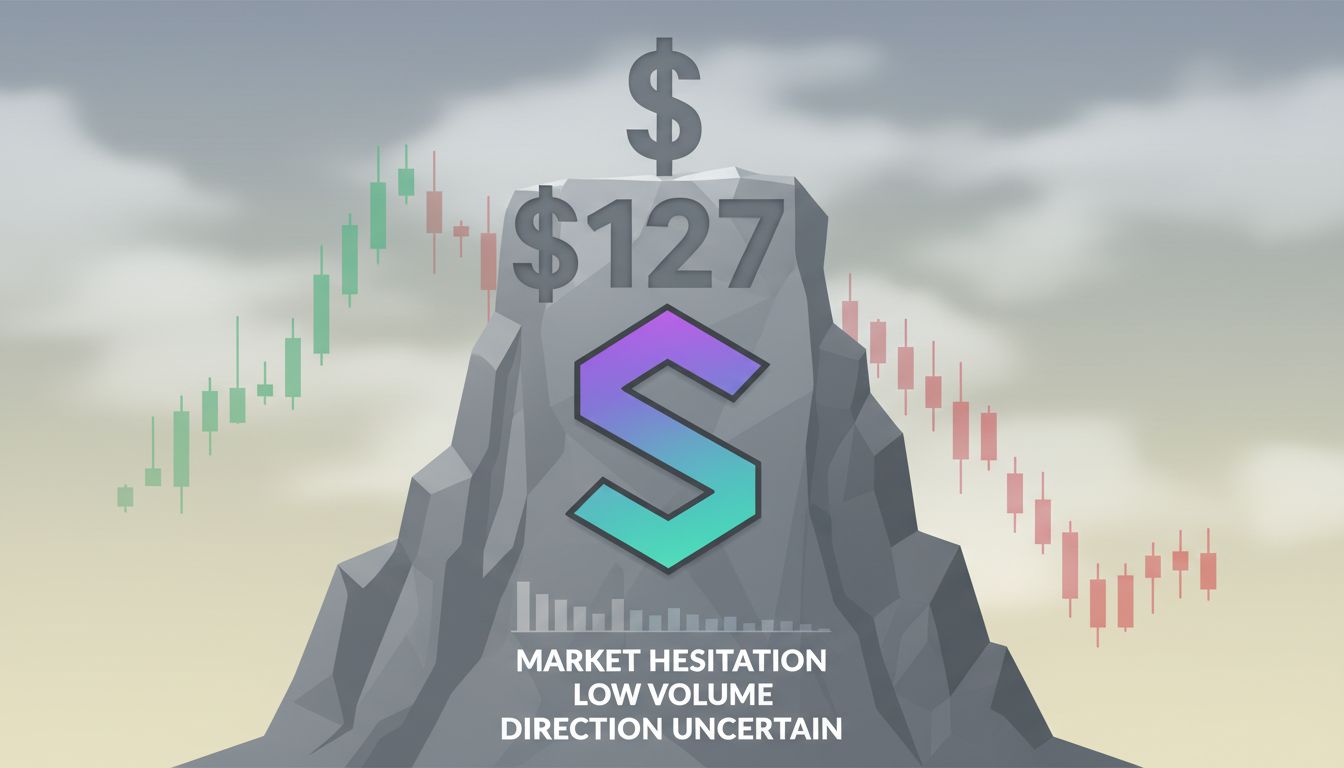
The crypto market in 2025 was highly fragmented.
With BTC experiencing a pullback of over 30% during the year and altcoins seeing a sea of red, cries of "crypto is dead" echoed throughout. The new retail investors who bought the top at the beginning of the year saw their accounts shrink by half. Some have already uninstalled their exchange apps, while others are still hodling and waiting to break even. The sentiment in the crypto community plummeted to its lowest point since the FTX scandal in 2022.
However, amidst this chaos, another group of people was frantically making acquisitions.
According to PitchBook data, the total amount of M&A transactions in the crypto industry in 2025 reached $8.6 billion, involving 267 deals, an 18% year-on-year increase. This figure was nearly four times that of 2024 and exceeded the total for the past four years. Using a broader definition from Architect Partners, the total amount was $12.9 billion.
The volume of top transactions was jaw-dropping: Coinbase spent $29 billion to acquire the options giant Deribit, setting a new record for the largest acquisition in crypto industry history; Kraken invested $15 billion to acquire the traditional futures platform NinjaTrader, known as the "largest TradFi and Crypto integration deal in history"; Ripple acquired Wall Street's prime broker Hidden Road for $12.5 billion, officially entering the realm of institutional finance.
While retail investors were panic-selling and exiting, institutions were aggressively entering the ruins.
Interestingly, these institutions were not buying coins. If they were bullish on the price of coins, they could simply buy BTC. Why spend billions to acquire a company?
What they were buying were exchanges, licenses, custodians, payment channels, and clearing systems.
They were bottom-fishing for the entire industry's infrastructure.
This reminds people of Wall Street after the 2008 financial crisis. Lehman fell, Bear Stearns disappeared, but J.P. Morgan and Goldman Sachs survived and took the opportunity to devour a bunch of assets. After the crisis, the strong became stronger, and the industry's concentration significantly increased.
In 2025, a similar script is unfolding in the crypto industry.
为什么是 2025 年?因为三把鑰匙同時轉動了。
第一把鑰匙是 SEC 換屆。
Gary Gensler 時代,加密行業活在「薛定諤的合規」狀態裡:你不知道自己發的幣是不是證券,不知道交易平台業務哪天會被認定為非法,不知道明天醒來公司還在不在。Coinbase、Binance、Kraken、Ripple、Uniswap、OpenSea,幾乎所有叫得上名字的公司都收到過 SEC 的传票或 Wells Notice。
這種不確定性是併購的天敵。沒有哪家正經的金融機構願意花 10 億美元買一家隨時可能被監管「定點清除」的公司。盡職調查怎麼做?估值模型怎麼建?法律風險怎麼定價?全是問號。
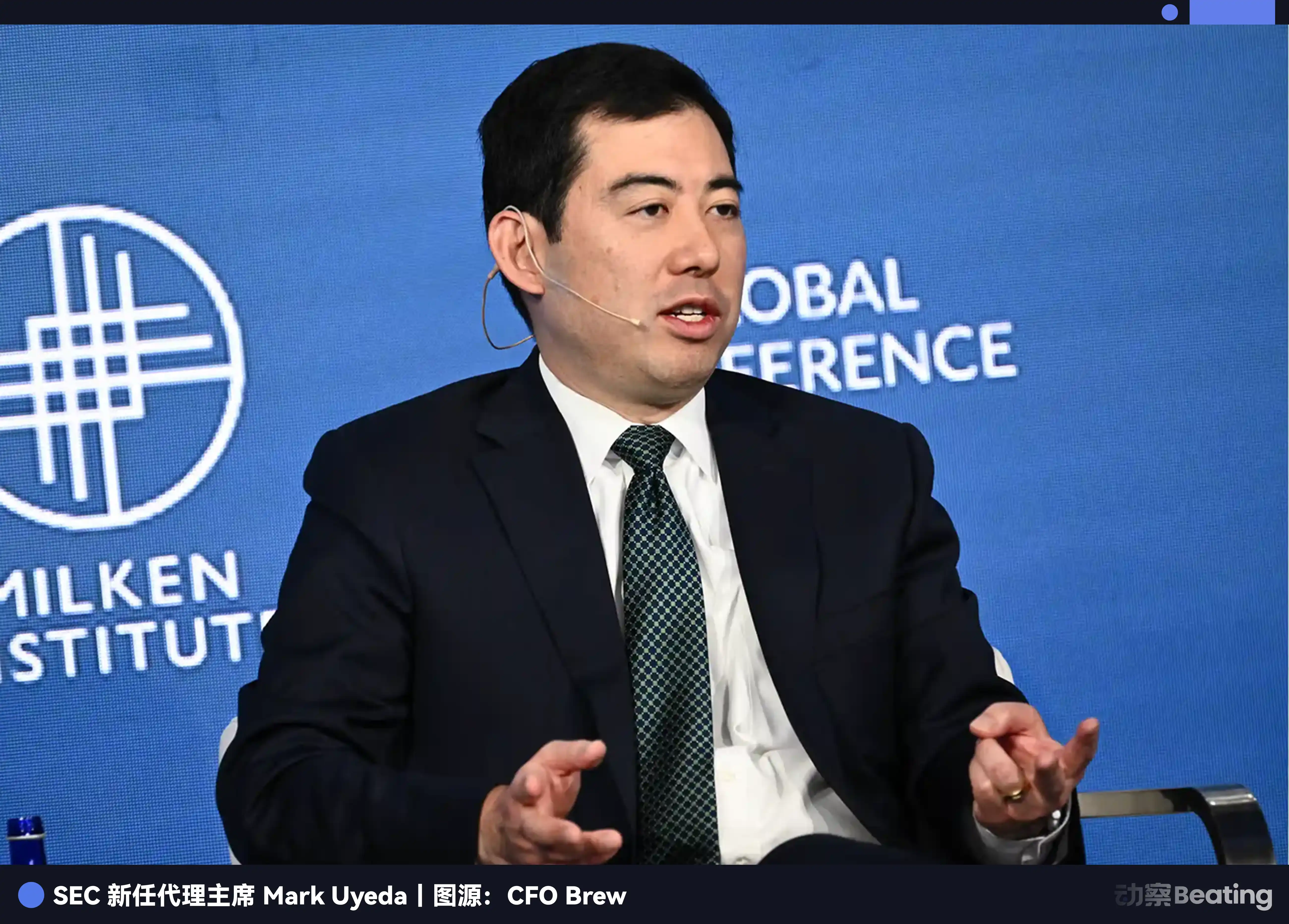
2025 年 1 月,特朗普政府上台,SEC 態度發生 180 度轉向。新任代理主席 Mark Uyeda 上任第一天就成立了 Crypto Task Force,宣布要用「對話」取代「執法」。隨後幾個月,SEC 以近乎清倉甩賣的速度撤銷了 60% 的加密相關訴訟:Coinbase 案撤了,Binance 案撤了,Kraken 案撤了,連 Ripple 那場打了四年的世紀官司都以和解收場。
關鍵是撤訴的方式:「with prejudice」,法律術語,意思是不可重新起訴。這給了市場一顆定心丸:這是徹底翻頁。
第二把鑰匙是牌照放榜。
12 月 12 日,美國貨幣監理署(OCC)批准了 5 家加密公司的國家信託銀行牌照:BitGo、Circle、Fidelity Digital Assets、Paxos、Ripple。這意味著它們可以直接接入美聯儲系統,提供托管、支付、清算服務,享受和傳統銀行一樣的特權。
一個數字對比很能說明問題:2025 年全年,OCC 收到 18 份銀行牌照申請;2024 年只有 1 份。榜門一開,所有人都往裡擠。
第三把鑰匙是 GENIUS Act。
7 月 18 日,美國首個聯邦加密立法簽署生效。這部法案給穩定幣定了規矩:1:1 儲備、按月披露、破產優先償付。更重要的是,它明確了合規穩定幣不屬於證券或商品,不歸 SEC 和 CFTC 管。
這等於給穩定幣發了一張「良民證」:銀行可以放